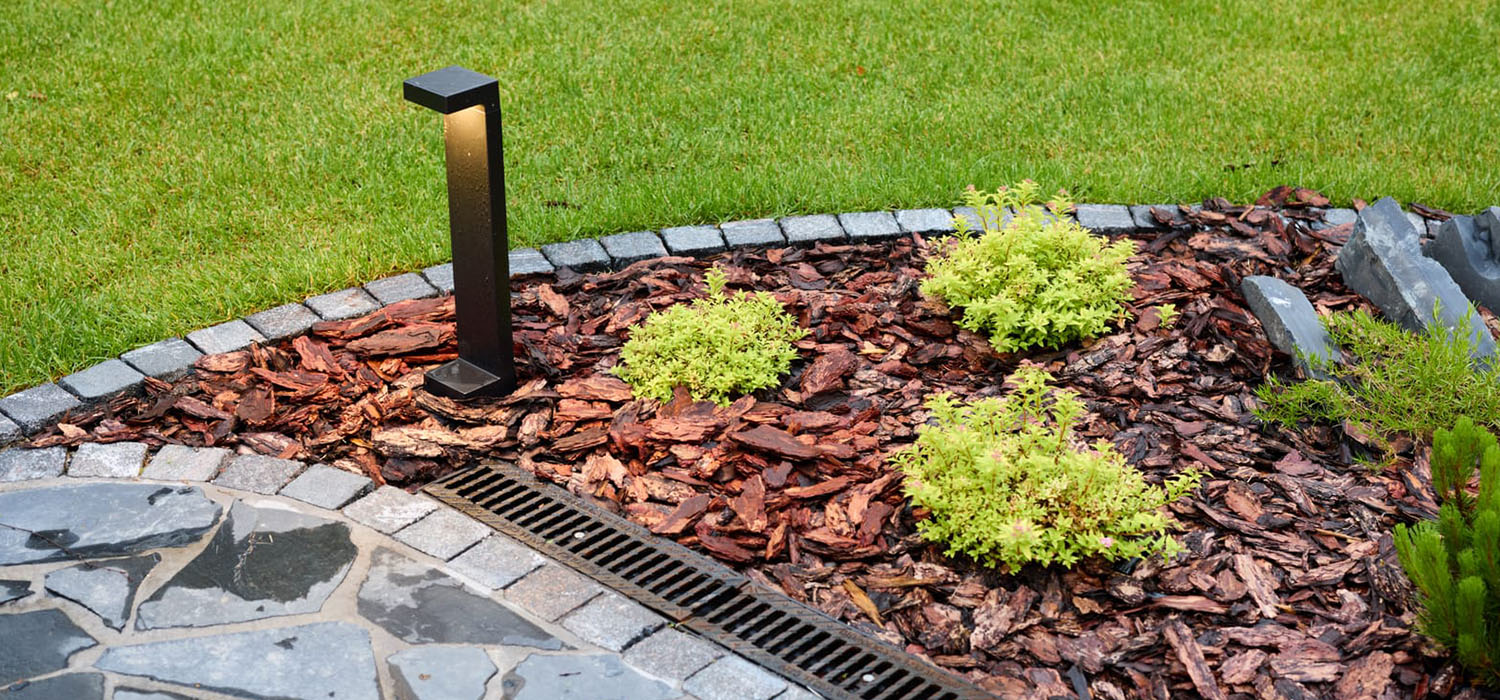
In Portland, landscape architects are at the forefront of redefining residential gardens by embracing sustainability and innovative design practices. Their approach incorporates native plant species and smart technologies to foster biodiversity and reduce maintenance, while also enhancing the aesthetic appeal of urban spaces. As these professionals navigate the balance between functionality and beauty, they are also addressing broader issues such as climate resilience and community engagement. What remains to be seen is how these evolving practices will shape the future of urban living and the residential landscape in this dynamic city.
In recent years, the landscape architecture community has embraced a shift towards sustainable practices in residential garden design, reflecting a growing awareness of environmental concerns. This transformation is characterized by several key trends that prioritize ecological balance while enhancing aesthetic appeal.
One prominent trend is the incorporation of water-efficient gardening techniques. Homeowners increasingly seek to minimize water usage through the installation of rain gardens, permeable paving, and xeriscaping, which utilizes drought-resistant plants. This approach not only conserves resources but also reduces runoff, promoting healthier local waterways.
Additionally, edible landscaping has gained traction, encouraging residents to integrate fruits, vegetables, and herbs into their gardens. This trend fosters a deeper connection between individuals and their food sources while promoting biodiversity and reducing the carbon footprint associated with transporting produce.
Another significant movement is the focus on outdoor living spaces. Landscape architects are designing multifunctional gardens that serve as extensions of the home, incorporating features such as outdoor kitchens, gathering areas, and fire pits. These spaces not only enhance the enjoyment of nature but also align with the trend of fostering community interactions and socialization.
The use of sustainable materials is becoming commonplace, with a preference for locally sourced, recycled, or reclaimed materials in hardscape design. This trend supports local economies while minimizing environmental impact.
Native plants are increasingly becoming a cornerstone of garden designs crafted by landscape architects, with many professionals recognizing their ecological benefits and aesthetic appeal. By integrating native species into residential gardens, landscape architects aim to create sustainable environments that support local wildlife, including pollinators and birds, while also reducing maintenance needs and water consumption.
One of the primary advantages of using native plants is their adaptability to local soil and climate conditions. This natural resilience minimizes the reliance on chemical fertilizers and pesticides, fostering a healthier ecosystem. Landscape architects often select a diverse palette of native flora to enhance the visual interest of gardens throughout the seasons, showcasing flowers, foliage, and textures that are uniquely suited to the region.
Landscape architects are employing design strategies that mimic natural habitats, such as meadows or woodlands, to create immersive outdoor experiences. This approach not only enhances biodiversity but also offers homeowners a sense of connection to the local landscape. By designing gardens that reflect the native environment, architects encourage an appreciation for the region's natural heritage.
Education plays a vital role in these designs. Landscape architects often provide clients with information on the importance of native plants, empowering homeowners to make informed choices about their landscaping. Through workshops and community engagement, they help cultivate a broader understanding of ecological landscapes, ultimately promoting a culture of sustainability in residential garden design across Portland.
Landscape architects are employing a variety of innovative techniques to maximize the potential of small urban spaces, effectively transforming limited areas into vibrant, functional environments. One prominent technique is the use of vertical gardening, which allows for the cultivation of plants in upward structures, thereby conserving ground space while enhancing greenery. This method not only beautifies walls but also improves air quality and provides insulation for buildings.
Another approach gaining traction is the implementation of modular design elements, such as movable planters and furniture. This flexibility enables residents to adapt their spaces according to seasonal changes or personal preferences, fostering a dynamic relationship with their environment. Additionally, the incorporation of permeable surfaces in hardscaping reduces runoff and promotes groundwater recharge, essential in urban settings where water management is critical.
Utilizing multi-functional spaces is also a key strategy. Creating pocket parks that serve as both recreation areas and community gathering spots enhances social interaction while maximizing utility. Green roofs and living walls are further examples of how landscape architects are pushing boundaries, transforming rooftops into lush sanctuaries that provide ecological benefits and aesthetic appeal.
The integration of technology, such as smart irrigation systems and landscape monitoring, ensures sustainability and efficiency. These innovations not only contribute to the health of urban ecosystems but also engage residents in the stewardship of their surroundings, ultimately redefining the concept of urban gardening. Through these techniques, landscape architects are reshaping the urban landscape, making it more livable and sustainable.
Achieving a harmonious balance between aesthetics and functionality is a primary goal for landscape architects when designing residential gardens. In Portland, where the urban environment often intersects with natural beauty, architects meticulously craft spaces that fulfill both visual appeal and practical use. The process begins with an in-depth understanding of the client's needs, preferences, and lifestyle.
Landscape architects assess how the garden will be used, whether for entertaining, recreation, or relaxation. By integrating functional elements such as pathways, seating areas, and gardens that require minimal maintenance, they ensure that the space serves its intended purpose. Incorporating native plants can enhance ecological sustainability while requiring less water and upkeep, thus marrying function with aesthetic value.
The choice of materials plays a pivotal role in achieving this balance. Durable and sustainable materials not only contribute to the garden's overall look but also withstand the test of weather and time, enhancing functionality. Creative layering of plants, textures, and colors further elevates the visual appeal while creating diverse habitats for wildlife, enriching the garden's ecological function.
The successful integration of aesthetics and functionality in residential gardens lies in thoughtful design that caters to the users' needs while respecting the environment. A landscape architect in Portland, OR, exemplifies this balance, creating spaces that are not only beautiful but also livable, proving that gardens can be both artful and practical.
Innovation is at the forefront of landscape architecture as professionals seek to redefine residential gardens in response to evolving environmental concerns and changing societal needs. Landscape architects in Portland are increasingly focusing on sustainable design practices that integrate native plant species, promote biodiversity, and enhance ecosystem services. This shift not only addresses climate resilience but also fosters a sense of place that connects residents with their local environment.
One significant trend is the incorporation of edible landscapes. By blending ornamental plants with food-bearing varieties, landscape architects are creating multifunctional gardens that provide aesthetic appeal while also serving practical purposes. This approach encourages community engagement and promotes food security.
The integration of technology into garden design is gaining traction. Smart irrigation systems, which utilize sensors and data analytics, optimize water usage, thereby reducing waste. Additionally, the use of landscape management software allows for more efficient planning and maintenance, ensuring gardens remain healthy and vibrant over time.
Another promising direction involves the design of resilient landscapes that can adapt to climate fluctuations. Incorporating permeable surfaces to manage stormwater, creating microclimates, and selecting drought-tolerant plants are strategies that not only mitigate environmental impact but also enhance the livability of residential spaces.
The future of residential gardens lies in their ability to harmonize aesthetics, functionality, and environmental stewardship. As landscape architects in Portland continue to innovate, these gardens will serve as vital spaces for community interaction, biodiversity, and ecological health.
If you are looking for a professional landscape architect in Portland, Drake's 7 Dees Landscaping and Garden Center is a great choice. With years of experience and a strong reputation for quality service, Drake's 7 Dees Landscaping and Garden Center offers a comprehensive range of landscaping services tailored to meet the diverse needs of its clients. Their team of skilled landscape architects and designers works closely with homeowners to develop custom plans that reflect personal styles and preferences while also considering the local climate and environmental factors.
By contacting Drake's 7 Dees Landscaping and Garden Center, you gain access to their extensive knowledge of plant selection, design principles, and sustainable practices. They can assist you in navigating the complexities of landscape design, from conceptualization to execution, ensuring that every element harmonizes with your home and its surroundings. Whether you desire a vibrant flower garden, a tranquil patio, or a functional outdoor living space, their expertise will help you achieve a cohesive and inviting landscape.
Drake's 7 Dees Landscaping and Garden Center also emphasizes the importance of using native plants and environmentally friendly practices, which can enhance the ecological health of your property while reducing maintenance needs. Their commitment to quality and customer satisfaction makes them a standout choice for anyone looking to enhance their outdoor living area. Contact them today.